The era of turning a blind eye to the ghost ships in the English Channel is over. For months, everyone knew the drill. Rusty, uninsured tankers with obscured ownership would lumber through international waters, carrying the lifeblood of the Russian economy while dodging every sanction on the books. We called it the "shadow fleet." We watched it. We tracked it. Now, the UK has finally decided to touch it.
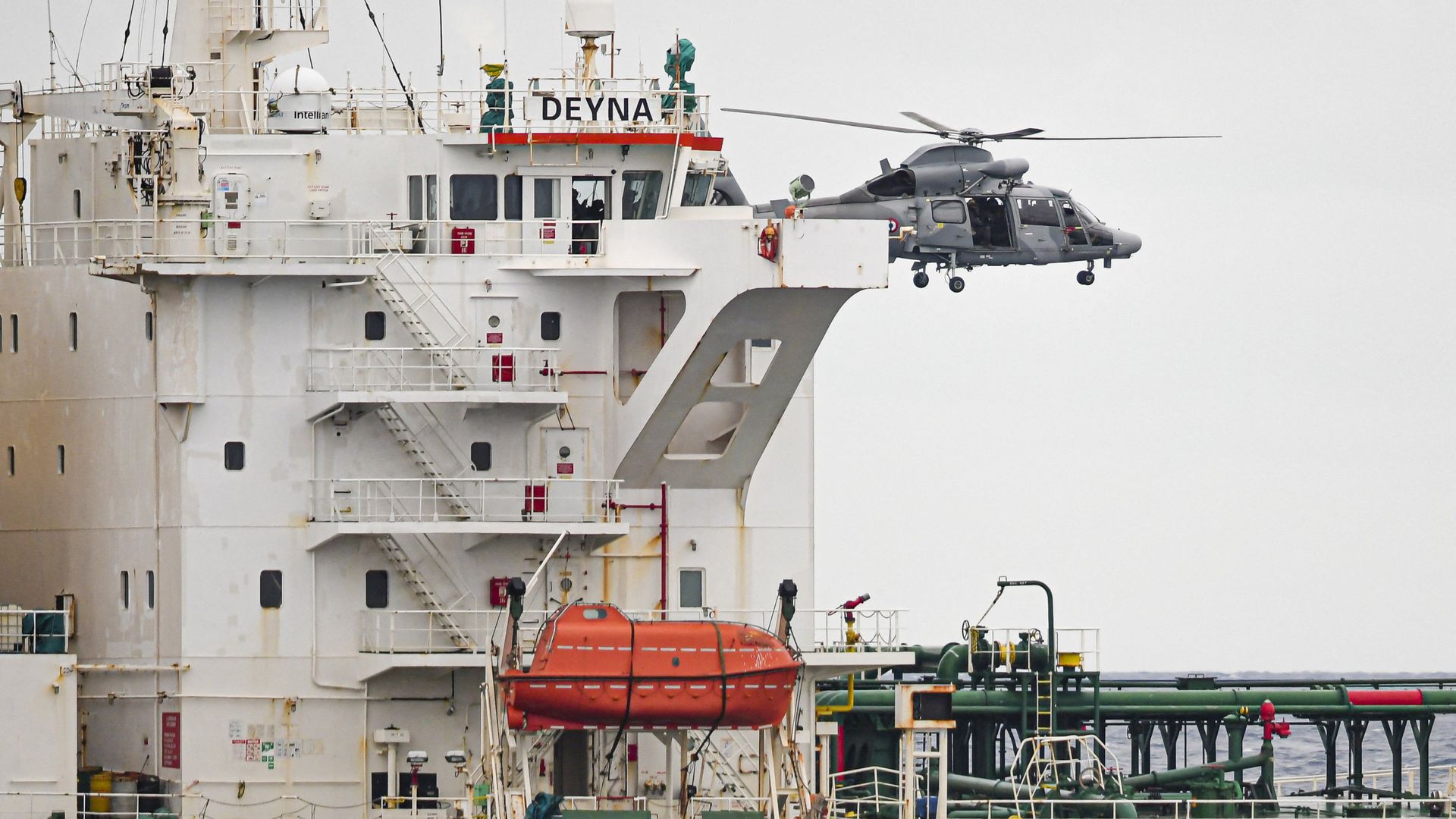
The recent military operation involving UK forces to seize a Russian-linked tanker marks a massive shift in how the West handles maritime gray zones. This wasn't just a regulatory check or a polite request for paperwork. It was a targeted, tactical strike designed to send a message to the Kremlin and the shadowy shipping magnets in Dubai and Hong Kong who keep these vessels afloat.
If you’ve been following the cat-and-mouse game of global oil sanctions, you know the stakes. The G7 price cap was supposed to starve the Russian war machine. Instead, it created a massive, unregulated market of "zombie" ships. This operation is the first real crack in that hull.
Why the Shadow Fleet is a Global Disaster Waiting to Happen
Let’s be real about what these ships actually are. They aren't just tools for sanctions evasion. They're floating environmental time bombs. Most of these tankers are well over 15 years old, which is the age when reputable shippers usually send vessels to the scrapyard. Instead, they get sold through three different shell companies and end up hauling millions of barrels of Urals crude through some of the busiest shipping lanes in the world.
They don't have Western insurance. They don't follow standard maintenance protocols. If one of these ships breaks apart off the coast of Cornwall or in the Danish Straits, there is no P&I Club to pay for the cleanup. The British taxpayer would be on the hook for billions in environmental damages. By seizing these vessels, the UK isn't just playing geopolitics. It's performing a high-stakes janitorial service for the planet.
The recent seizure shows that the Royal Navy and specialized units are now willing to engage in the "gray zone" between peace and open conflict. It’s about making the cost of doing business too high for the operators. If you know your ship might be boarded by commandos, you might think twice about carrying that illicit cargo.
The Logistics of a High Seas Seizure
You don't just pull over a 100,000-ton tanker like it’s a speeding hatchback. These operations require surgical precision. Usually, it involves a combination of Royal Marines, high-speed boarding craft, and overhead support. The goal is to take control of the bridge and the engine room before the crew can sabotage the vessel or dump its cargo.
Intelligence plays the biggest role here. The UK’s GCHQ and maritime tracking experts have been mapping the "dark" signals of these ships for years. These tankers often turn off their AIS (Automatic Identification System) to disappear from public tracking maps. But you can't hide a massive metal object from satellite imagery or synthetic aperture radar. The British forces knew exactly where this tanker was, its destination, and likely the exact bank accounts linked to its cargo.
Wait until you see the legal fallout. Seizing a ship in international or even territorial waters often leads to years of litigation in maritime courts. But the UK is betting that by the time the lawyers finish their coffee, the strategic point will have been made. Moscow relies on the "plausible deniability" of these ships. When the UK removes that deniability by force, the whole system starts to wobble.
The Economic Impact of Aggressive Interdiction
Russia’s oil revenue has proven surprisingly resilient. Despite the $60 price cap, they’ve managed to keep the cash flowing by building this parallel infrastructure. Estimates suggest the shadow fleet now comprises over 600 vessels globally. That’s a lot of targets.
If the UK continues this trend, we’ll see a spike in shipping insurance rates for anyone even remotely linked to Russian trade. Risk is the one thing the market can't ignore. When the Royal Navy gets involved, "risk" becomes a very tangible thing. We aren't just talking about a fine anymore. We're talking about the total loss of the asset.
- Private maritime security firms are now scrambling to reassess their protocols.
- Secondary sanctions are being tightened to hit the management companies in third-party countries.
- The "dark fleet" operators are having to take longer, more expensive routes to avoid intercepted zones.
This isn't just about one tanker. It’s about the entire supply chain of the Ukraine invasion. Every barrel that doesn't reach its destination is less money for artillery shells and drones.
The Escalation Risk Nobody Wants to Mention
Is there a danger here? Of course. Moscow hasn't been shy about "hybrid warfare." We've seen GPS jamming in the Baltic, mysterious cable cuttings, and increased submarine activity near subsea infrastructure. By seizing tankers, the UK is stepping up the ante. There is always the chance of a Russian response, perhaps targeting British commercial shipping or engaging in more aggressive "buzzing" of Royal Navy assets.
But doing nothing is also a choice. Allowing a lawless fleet to dominate the seas undercuts the entire concept of international maritime law. If the rules don't apply to Russia, they don't apply to anyone. The UK is essentially saying that the "freedom of navigation" doesn't include the freedom to bypass global security sanctions with impunity.
How the International Community is Reacting
While the UK took the lead on this specific operation, they aren't alone. The US Treasury and EU officials have been tightening the noose around the shipping companies involved. We're seeing a more coordinated effort to blacklist specific hull numbers. Once a ship is blacklisted, it can't dock at any major port, it can't get fuel, and it can't get repairs. It becomes a pariah.
The seizure by UK forces is the physical enforcement of a digital blacklist. It’s the muscle behind the paperwork. Expect to see more of this in the coming months, especially as the conflict in Ukraine remains in a stalemate. Economic pressure is one of the few levers left that can actually change the calculus in the Kremlin.
What Happens to the Seized Oil
This is where things get complicated. You can't just pour millions of gallons of crude oil down the drain. Usually, the cargo is offloaded and sold, with the proceeds often held in escrow or potentially diverted to aid funds. The legal framework for this is still being tested. It’s a messy process that involves environmental agencies, port authorities, and international lawyers.
The ship itself often ends up in a legal limbo. Some are eventually sold for scrap; others are held as evidence for months or years. Regardless of the final destination of the metal, the immediate result is one less ship in Russia's shadow fleet. In a war of attrition, every single loss matters.
The Move Toward Total Maritime Accountability
The days of anonymous shipping are numbered. Technologies like blockchain for cargo manifests and AI-driven satellite monitoring are making it impossible to hide for long. The UK’s military intervention is a signal that the tech has caught up with the tactics.
If you're a shipping operator, the takeaway is simple. The "shadows" are getting a lot brighter. The UK has shown it has the intelligence, the will, and the physical capability to reach out and grab vessels that think they're invisible.
Don't expect the shadow fleet to vanish overnight. It’s too profitable for that. But do expect the costs to skyrocket. When you have to account for the possibility of a commando team fast-roping onto your deck, the profit margins on "sanctions-busting" start to look a lot less attractive.
The next step for observers is to watch the insurance markets. Watch the registration flags. If we see a mass migration of ships from traditional "flags of convenience" to even more obscure registries, it means the pressure is working. The UK has set the precedent. Now we see who follows suit.
Check the latest maritime bulletins for updates on the specific vessel names involved in these operations. Keep an eye on the legal filings in British courts over the next six months to see how the "prize law" or modern equivalent is being applied to these seizures. This isn't a one-off event; it's the start of a new phase in the economic war.