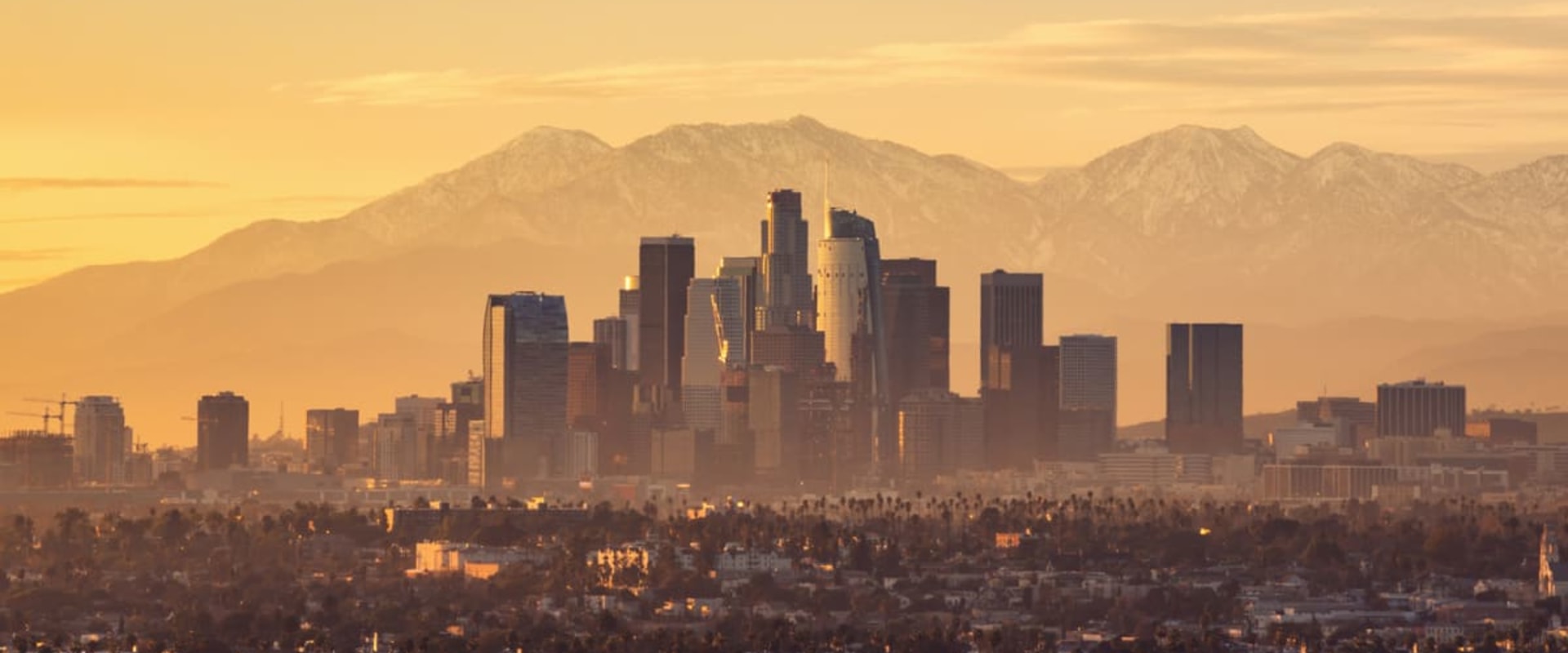
Downtown Los Angeles is currently a punching bag for every doomsday pundit with a camera and a Twitter account. You've seen the clips. You've seen the "graffiti towers" and the empty storefronts on Broadway. People say the soul of the city left when the office workers stayed home in 2020 and never really came back. They’re wrong.
It's true that the recovery hasn't been a straight line. If you walk through the Historic Core or the Jewelry District today, the scars from the pandemic, the civil unrest of 2020, and the sluggish return to office life are visible. But counting DTLA out is a rookie mistake. The narrative that the city center is "dying" ignores the billions of dollars in infrastructure and the stubborn belief of the people who actually live there. We aren't looking at a funeral. We're looking at a messy, painful, and ultimately necessary evolution.
The Myth of the Office Savior
For decades, DTLA relied on a "commuter monoculture." The plan was simple: thousands of people drive in from the suburbs, sit in a high-rise for eight hours, buy an expensive salad, and leave by 5:00 PM. That version of the city is dead. It isn't coming back, and frankly, we shouldn't want it to.
A neighborhood that only breathes during business hours is fragile. When the offices emptied out, the ecosystem collapsed because it had no floor. The current "pain" people talk about is actually the transition toward a 24/7 residential hub. Look at the numbers. While office occupancy remains stuck around 50% or 60% of pre-2020 levels, the residential population in DTLA has actually stayed remarkably stable. People aren't just working there anymore; they're living there.
The shift from a business district to a neighborhood is the only way forward. High-end residential projects like Beaudry and the continued investment in the Arts District show that the "smart money" isn't betting on cubicles. They're betting on people who want to walk to a world-class museum or a Michelin-starred restaurant without owning a car.
Learning from the Mr Downtown Era
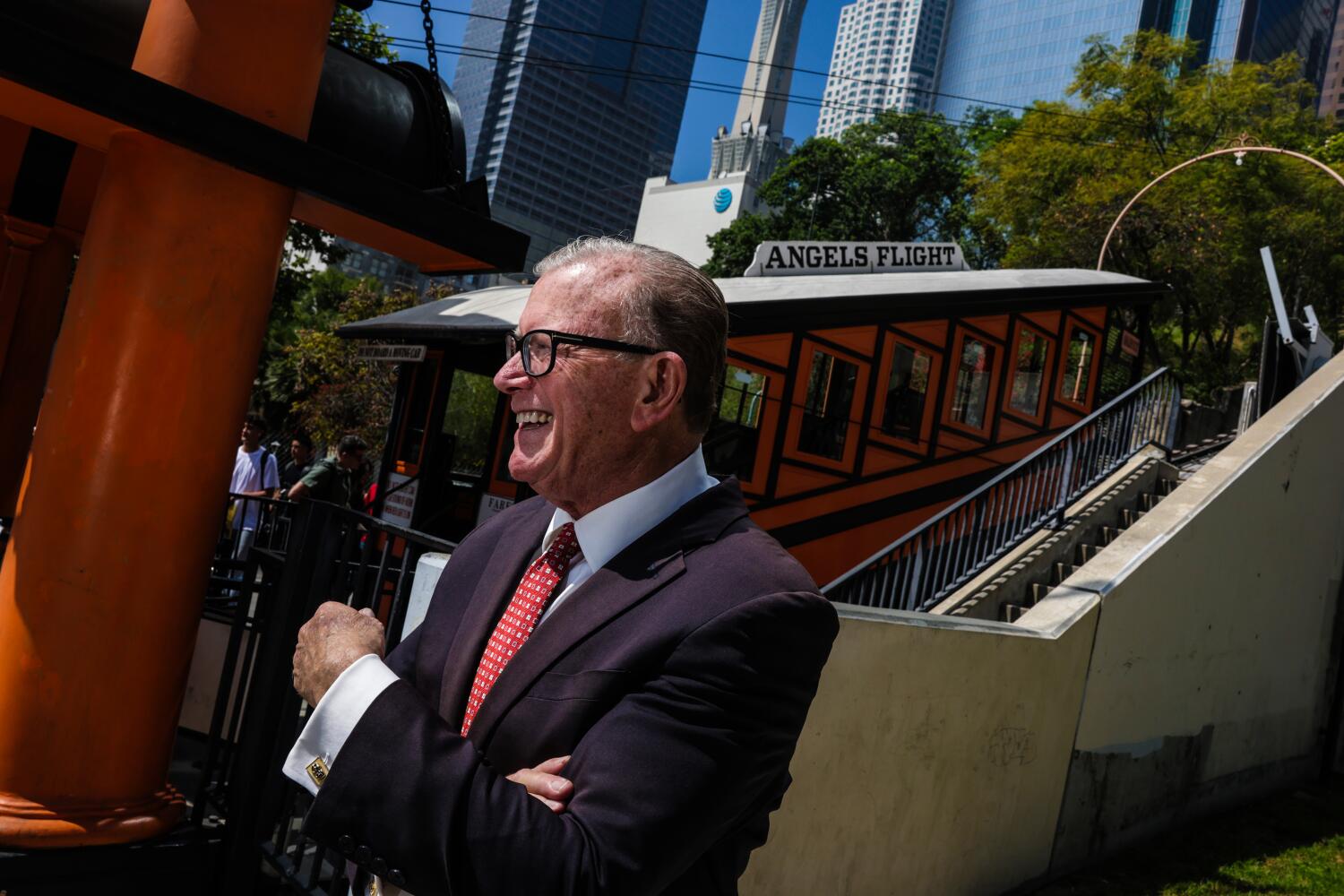
If you want to understand the resilience of this place, you have to look at figures like Carol Schatz or the legendary "Mr. Downtown," Tom Gilmore. Decades ago, Gilmore looked at a decaying Fourth and Main and saw a neighborhood. He used the Adaptive Reuse Ordinance to turn abandoned banks into lofts. Back then, people thought he was crazy too.
The lesson from the Gilmore era is that DTLA thrives when it reinvents itself, not when it tries to preserve the status quo. The "raids" and the crime headlines are serious issues, but they aren't new. The city has weathered worse. The difference now is the scale of the investment. We have a subway system that actually goes somewhere. We have the Regional Connector which finally linked the Blue, Gold, and Expo lines. You can now get from Santa Monica to East LA without three transfers. That kind of infrastructure doesn't just disappear because a few office leases expired.
The Reality of the Streets
Let's be honest about the problems. You can't talk about a "renaissance" without acknowledging the humanitarian crisis on Skid Row. It’s the elephant in the room that every politician promises to fix and every budget cycle fails to solve. The visible poverty and the mental health crisis in the streets are the biggest hurdles to the city’s brand.
But here is what the "doom loop" enthusiasts get wrong: DTLA isn't a monolith. The Arts District is booming. Little Tokyo is packed every weekend. South Park is a forest of glass towers that feels more like Vancouver than Los Angeles. The "hurt" is concentrated in specific blocks where the transition from retail to residential is stalled by high interest rates and red tape.
The real threat isn't "crime"—it's stagnation. When the city allows storefronts to stay boarded up for years, it creates a vacuum. We need faster permitting for small businesses and more aggressive incentives for turning B-grade office space into housing. If a building can't be a headquarters, make it a home.
Why the Rise is Inevitable
The 2028 Olympics are the ticking clock for DTLA. The city is under immense pressure to "clean up" for a global audience, which usually means a surge in public works and beautification. While "sweeping" problems under the rug isn't a long-term solution, the influx of capital usually leaves behind improved transit and better public spaces.
We’re also seeing a shift in the type of businesses moving in. It’s no longer just law firms and banks. Creative agencies, tech startups, and boutique hotels are the new anchors. They value the "grit" and the architecture of the old city over the sterile corporate parks of Irvine or Glendale.
The "hurt" is real, but it’s a growing pain. DTLA is shedding its skin. The process is ugly. It’s loud. It’s frustrating. But for the first time in a century, Downtown is becoming a place where people stay, not just a place where they pass through.
If you’re looking to get involved or invest in the future of the city, stop reading national headlines and start looking at the block-by-block data.
- Check the Downtown LA Neighborhood Council meetings for upcoming zoning changes.
- Support the Central City Association (CCA) in their push for adaptive reuse expansion.
- Actually spend a Saturday in the Arts District or at the Grand Central Market.
The city is rising. It just doesn't look like the version from 2019, and that’s a good thing.