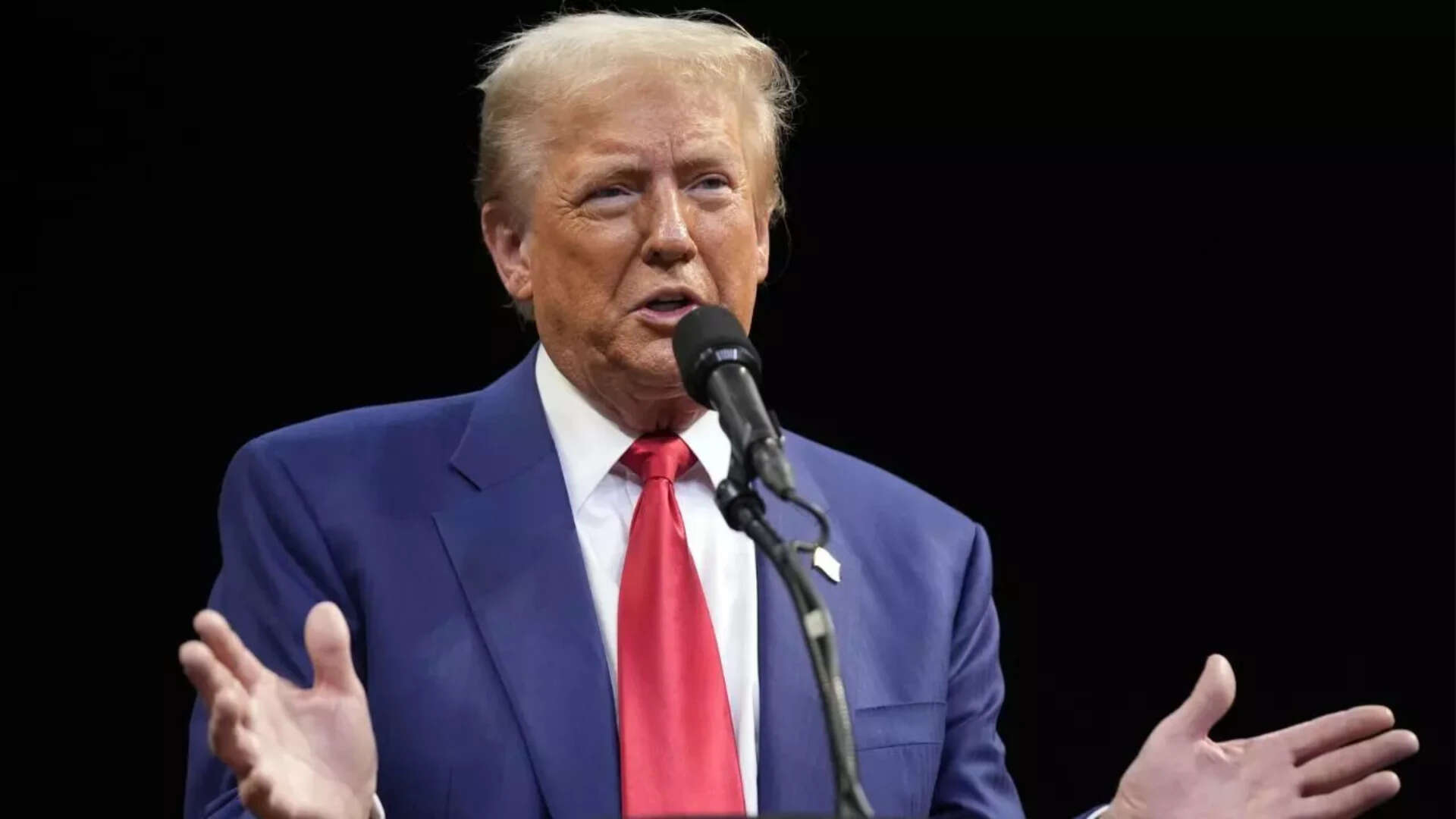
The White House has finally pulled the one lever it always reaches for when energy markets go into a tailspin. President Trump issued a 60-day waiver of the Jones Act on Wednesday, a century-old maritime law that has become the favorite scapegoat for rising costs at the pump. This move, framed as a strategic strike against the economic fallout of the ongoing conflict with Iran, allows foreign-flagged vessels to move oil, natural gas, and fertilizer between American ports—a task normally reserved strictly for U.S.-built, U.S.-owned, and U.S.-crewed ships.
But anyone who has spent a decade watching the volatile intersection of maritime law and global energy knows the truth. This is a cosmetic fix for a structural catastrophe. While the administration claims this will "mitigate short-term disruptions" from Operation Epic Fury, the math doesn't hold up. Gasoline prices have jumped nearly a dollar in the last month, driven by the effective closure of the Strait of Hormuz and the sudden removal of 20 million barrels of crude per day from the global market.
Thinking that a change in shipping regulations will solve a 20% global supply deficit is like trying to fix a burst dam with a different brand of duct tape.
The Logistics of a Ghost Fleet
To understand why this waiver is more theater than therapy, you have to look at the actual composition of the American maritime fleet. The Jones Act, or the Merchant Marine Act of 1920, was designed to ensure the U.S. maintained a domestic fleet for national defense. In practice, it created a protected, high-cost monopoly.
There are currently fewer than 100 large oceangoing ships that meet the strict "built in the U.S." criteria. When the administration announces a massive drawdown of 172 million barrels from the Strategic Petroleum Reserve (SPR), the domestic fleet simply doesn't have the hulls to move it.
The waiver technically opens the door for Greek, Chinese, or Marshall Islands-flagged tankers to ferry that SPR crude from the Gulf Coast to refineries in the Northeast. On paper, this increases "liquidity" in the transport market. In reality, those foreign vessels are already tied up in high-stress global routes, rerouting around the Cape of Good Hope to avoid the very war zones that triggered this crisis in the first place.
Why the Pump Won't Feel It
The core argument for the waiver is that foreign ships are cheaper to operate. They are. A Jones Act tanker can cost three times as much to build and significantly more to crew than its international counterparts. However, shipping costs typically account for only a few cents of the price of a gallon of gasoline.
When you look at the current price of $3.84 per gallon, the dominant factors are:
- Crude Oil Prices: Currently hovering near $90 a barrel due to the Iran conflict.
- Refining Margins: Strained by shifting supply chains and infrastructure damage.
- Taxes and Distribution: Fixed costs that don't care what flag a ship flies.
If every drop of oil moved on a foreign vessel tomorrow, the savings passed to the consumer would likely be less than three cents per gallon. For a driver in Oregon paying the highest prices in the country, that isn't relief—it's a rounding error.
The National Security Paradox
The most bitter irony of the Jones Act is that the law intended to bolster national security is the first thing suspended when a real national security crisis occurs.
Industry unions, such as the American Maritime Officers, are already sounding the alarm. They argue that frequent waivers undermine the very incentive for companies to invest in U.S. shipyards. Why spend $200 million on an American-built tanker if the government will simply allow cheaper foreign competition the moment things get difficult?
This creates a cycle of dependency. Because we don't have enough ships, we issue waivers. Because we issue waivers, we don't build more ships.
Recent Jones Act Waiver History
| Event | Year | Duration | Primary Reason |
|---|---|---|---|
| Middle East Conflict | 2026 | 60 Days | Iran war/Hormuz closure |
| Hurricane Fiona | 2022 | 10 Days | Puerto Rico fuel relief |
| Colonial Pipeline Hack | 2021 | 10 Days | East Coast supply disruption |
| Hurricane Maria | 2017 | 10 Days | Puerto Rico emergency aid |
| Libyan Crisis | 2011 | 30 Days | SPR drawdown support |
The Real Chokepoint is Not the Law
The obsession with the Jones Act ignores the far more dangerous reality of the 2026 Strait of Hormuz crisis. As of mid-March, tanker traffic through the Strait has dropped to nearly zero. Insurance premiums for any vessel entering the Persian Gulf have spiked four to six times in a single week.
This is the "risk environment" that is actually driving your fuel prices. Even with a waiver, a foreign tanker is still dealing with a global market where one-third of seaborne crude trade is compromised. The vessels that the U.S. hopes will flock to its coastal routes are currently being utilized to make the long, expensive journey around Africa to keep European markets from collapsing.
A Bridge to Nowhere
The 60-day window is a political bridge. It buys the administration time to hope for a "miracle in the Middle East" or a rapid de-escalation of Operation Epic Fury. But history suggests that once these waivers are granted, the pressure to extend them becomes immense.
If the war drags into the summer driving season, 60 days will turn into 120. The domestic shipping industry will continue to wither, and the fundamental problem—a lack of global oil supply—will remain untouched.
We are treating a systemic heart attack with a topical ointment. The Jones Act is an easy target because it is old, protectionist, and visible. But removing it for two months won't change the fact that the world's most vital energy artery is currently severed.
Would you like me to analyze the projected impact of the 172-million-barrel SPR release on long-term U.S. energy reserves?