The lights in a small convenience store in suburban Manila flicker, then steady. To the shopkeeper, it is a momentary annoyance. To a logistics manager in Sydney watching a fuel gauge dip toward the red, it is a calculation of survival. We rarely think about the blood of the global economy until it stops pumping. Most of us treat the energy that powers our lives like the air we breathe—invisible, assumed, and infinite.
It isn't.
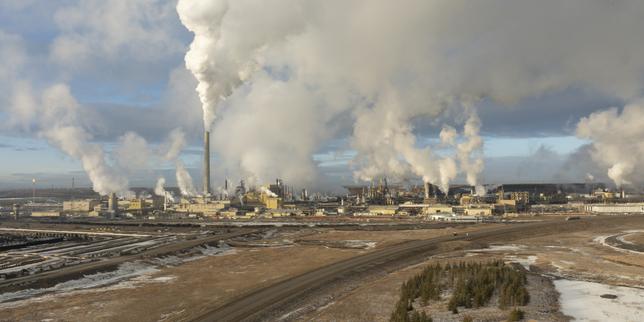
Deep beneath the surface of international diplomacy, there are physical vaults. They are not filled with gold bars or digital ledgers. They contain millions of barrels of crude oil, held in salt caverns and massive steel tanks, waiting for a day that everyone hopes never arrives. That day is usually marked by a sudden silence in the supply chain, a geopolitical tremor, or a storm that refuses to dissipate.
The Weight of a Promise
When the International Energy Agency (IEA) signals that emergency stocks are flowing toward Asia and Oceania, they aren't just moving liquid. They are moving confidence. In a region where the distance between a refinery and a kitchen stove can span thousands of miles of open ocean, stability is a fragile thing.
Consider a hypothetical tugboat captain named Elias, working the crowded shipping lanes of the Malacca Strait. For Elias, "energy security" isn't a white paper or a press release from Paris. It is the literal ability to push a cargo ship through the water without the price of marine gasoil doubling overnight. If the supply lines tighten, the cost of everything Elias touches—the grain in the hull, the steel in the containers, the coffee in his mug—begins to climb.
The IEA’s decision to release these reserves is the ultimate "break glass in case of emergency" maneuver. It is a collective recognition that the market cannot heal itself fast enough. By releasing millions of barrels, the member nations are essentially telling the world’s speculators that the vault is open.
Supply will meet demand. The panic can wait.
The Geography of Hunger
Asia and Oceania present a unique challenge in the global energy theater. Unlike North America, which sits atop a vast, interconnected web of pipelines and shale deposits, many nations in the Pacific are "energy islands." They are tethered to the rest of the world by a thin line of tankers.
When those tankers are delayed, the ripple effect is violent.
In Japan, a delay doesn't just mean higher prices at the pump; it threatens the thermal power plants that keep the elderly warm in winter. In Australia, where the tyranny of distance defines every aspect of commerce, a fuel shortage can paralyze the trucking fleets that deliver food to the outback.
The IEA’s coordinated release acts as a shock absorber. By injecting oil directly into these specific markets, they are targeting the pressure points of the global economy. This isn't a trickle-down effect. It is a direct transfusion.
The Calculus of the Reserve
Why now? Why this specific volume?
The math behind an emergency release is a cold, calculated science. Experts look at the "days of net imports" a country holds. Most IEA members are required to keep at least 90 days of net oil imports in reserve. It is a staggering amount of capital to leave sitting idle. Imagine keeping three months of your salary in a safe under your bed, never touching it, even when you’re hungry, just in case the entire banking system collapses.
That is the discipline required of these nations.
But when the "disruption" becomes more than a projection—when it becomes a reality seen in soaring futures contracts and empty terminals—the IEA triggers the mechanism. The flow into Asia and Oceania is a strategic strike against volatility. It’s meant to blunt the edge of a price spike before it can transform into a full-scale recession.
The mechanism works because it is multilateral. If one country released its oil alone, the market might shrug. But when the world’s largest economies move in unison, the signal is deafening. It is a display of sovereign muscle.
The Human Cost of Static
Behind the spreadsheets and the talk of "Brent Crude" and "West Texas Intermediate" are people who never see a barrel of oil in its raw form.
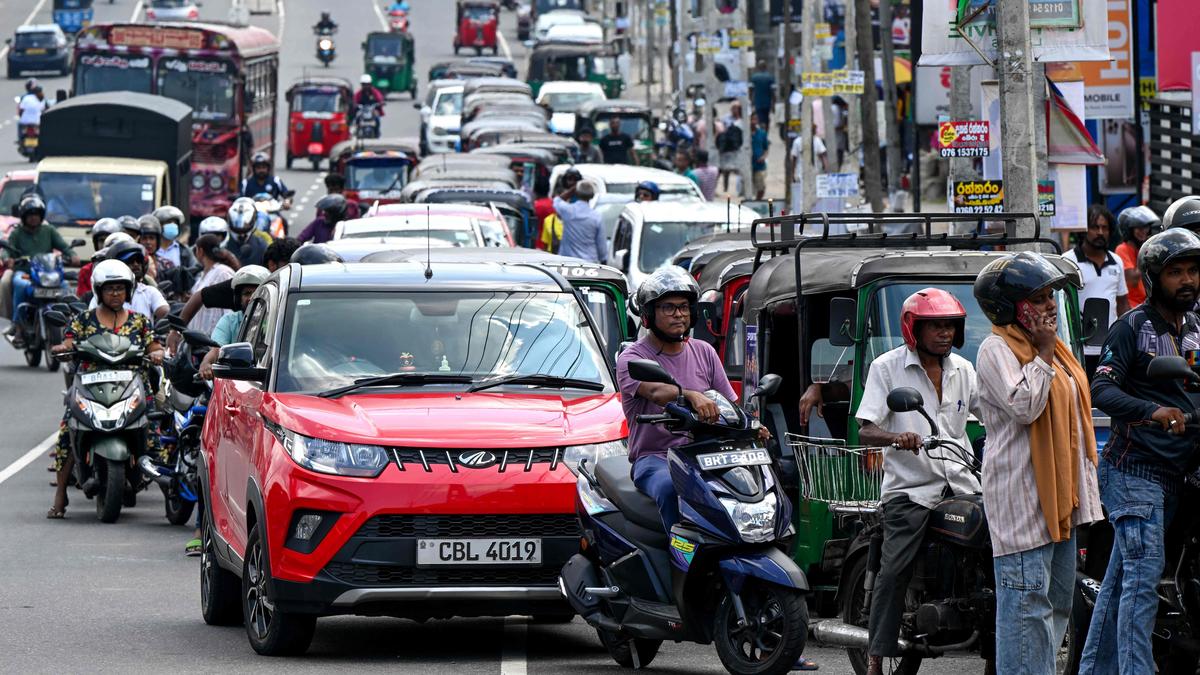
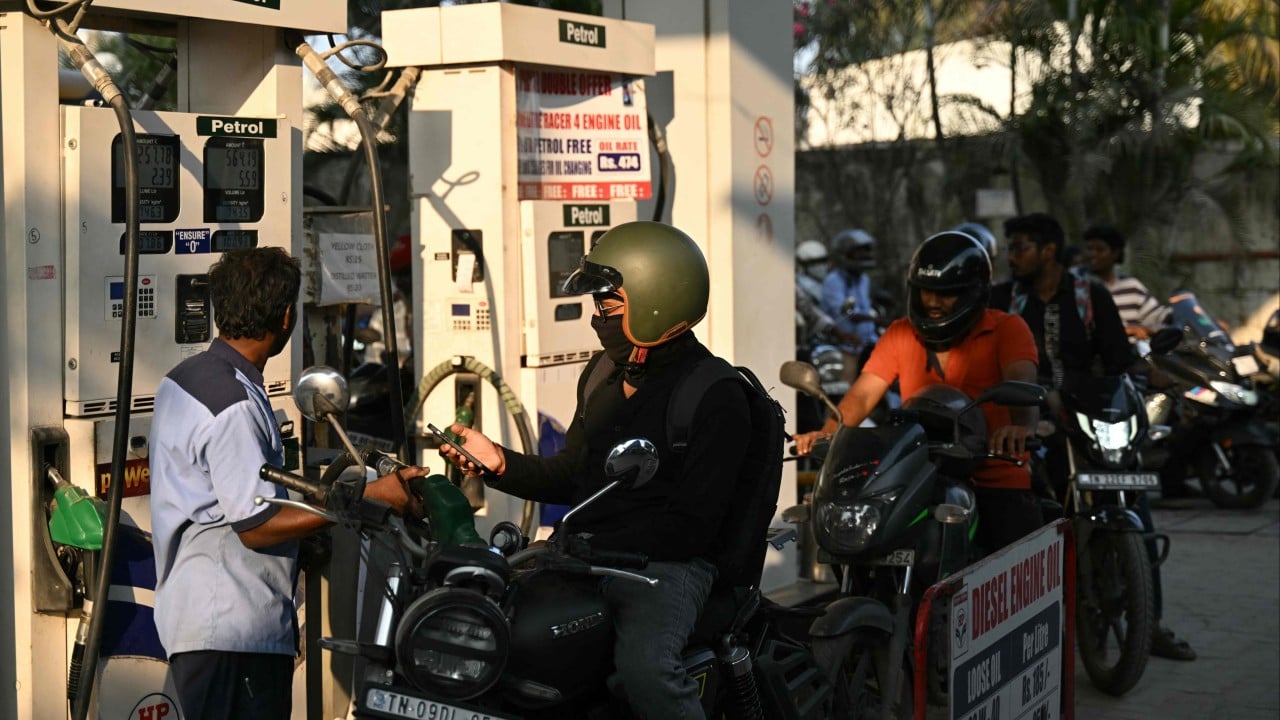
Think of a courier in Jakarta on a motorbike. To him, the global oil market is a digital display at a Pertamina station. When that number climbs too high, his margins disappear. He works more hours for less food. He spends less time with his children. The IEA’s intervention is, at its core, an attempt to keep that digital display from breaking the back of the working class.
There is a psychological component to this that often gets buried in the business section. Markets are driven by fear as much as they are by fundamentals. When people fear a shortage, they hoard. When they hoard, the shortage becomes a self-fulfilling prophecy. By flooding the zone with emergency oil, the IEA kills the fear. They prove that there is enough to go around, which, ironically, often leads to people needing less of it.
The Transition Tension
We live in a strange era of overlap. On one hand, the world is sprinting toward a green energy transition. Solar farms are blooming across the Australian desert, and electric vehicle adoption in China is outpacing every other nation on earth.
On the other hand, we are still deeply, viscerally dependent on the ancient carbon buried in the earth.
This release of emergency stocks highlights the "bridge" problem. We cannot get to the future if the present is on fire. You cannot build a wind turbine without the diesel to transport the blades. You cannot manufacture semiconductors for an EV without a stable power grid backed by reliable fuel sources.
The IEA is essentially buying time. They are ensuring that the friction of the current energy crisis doesn't stall the momentum of the next energy era. It is a paradoxical role: using the tools of the old world to protect the birth of the new one.
The Silent Infrastructure
The oil is moving now.
In tankers across the Pacific, valves are being turned. In underground caverns, pumps are humming to life. Most people will never see the physical evidence of this event. They will simply notice that the price of a gallon of milk didn't jump as much as they feared. They will see that the buses are still running. They will go about their day, unaware that a massive, coordinated global effort was required to keep their world feeling "normal."
This is the true nature of modern governance. It is the management of the invisible. It is the silent work of ensuring that the pulse of the Pacific remains steady, even when the rest of the world is skipping a beat.
A cargo ship clears the horizon. In its hold, the emergency of yesterday has become the fuel of today. The shopkeeper in Manila doesn't look at the lights this time. They stay on. The silence of the machine is the only thank you the architects of this release will ever get, and in the world of global energy, silence is the ultimate success.