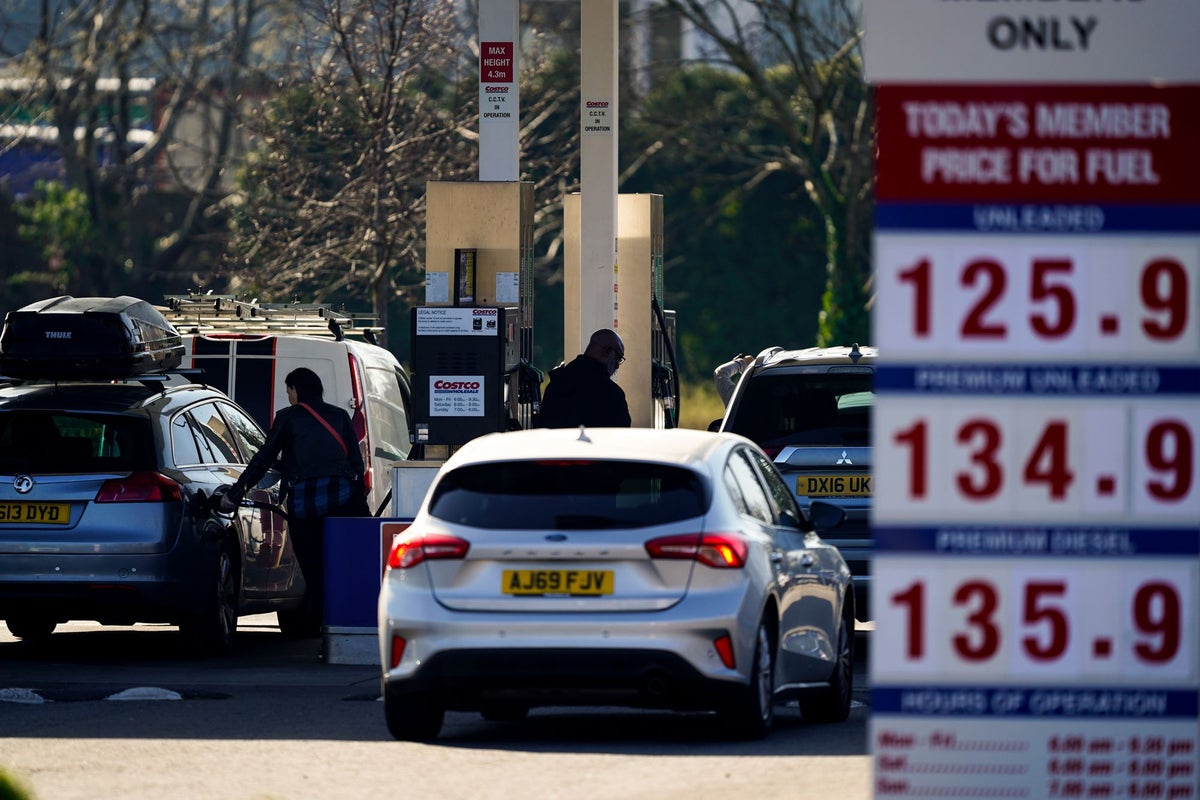
Elias watches the numbers climb. He isn't looking at a stock ticker or a geopolitical map of the Middle East. He is staring at the digital display on Pump 4 at a rain-slicked station in Ohio. The rhythmic clicking of the meter sounds like a countdown. For Elias, a contractor who drives a Ford F-150 laden with the tools of a fading middle class, every cent added to the price of a gallon is a silent theft from his daughter’s braces fund.
Ten thousand miles away, the Strait of Hormuz sits like a narrow, jagged throat through which the world’s energy must pass. It is twenty-one miles wide at its narrowest point. Currently, that stretch of water is the most expensive real estate on earth. As tensions between Iran and its neighbors escalate, that throat is tightening.
We often talk about "oil prices" as if they are abstract figures living in a vacuum of spreadsheets and televised shouting matches. They aren't. They are the cost of a head of lettuce transported from California. They are the price of a flight to see a dying relative. They are the heat in your radiators and the plastic in your child’s toys. When a drone strikes a refinery or a tanker is harassed in the Persian Gulf, the vibration travels through the Earth and shakes the coins out of Elias’s pocket.
The Geography of a Shiver
The global energy market is a delicate, interconnected web. Imagine a giant, pressurized balloon. If you poke one side of it, the entire surface tension shifts. Iran sits atop one of the world’s largest proven oil reserves, but its real power lies in its position as the gatekeeper of the Strait.
About one-fifth of the world’s total oil consumption passes through this channel. It is a choke point in the literal sense. If the flow stops, or even slows, the world gasps.
Recently, the "risk premium" has returned to the market with a vengeance. This is the extra dollar amount traders tack onto a barrel of crude not because of a shortage today, but because of the fear of a shortage tomorrow. It is a tax on anxiety. When news breaks of a fresh skirmish or a failed diplomatic mission, the "fear tax" spikes. Crude oil doesn't just sit in tanks; it floats on a sea of sentiment.
For the average person, the math is brutal. For every ten-dollar increase in the price of a barrel of oil, the price of gasoline typically rises by about twenty-five cents per gallon. That sounds manageable until you multiply it by the sixteen gallons in a sedan or the thirty-six gallons in a work truck. Then you multiply it by the millions of delivery vans that bring your Amazon packages. The inflation isn't just at the pump. It is everywhere.
The Dominoes in the Kitchen
Consider a hypothetical baker named Sarah. Sarah doesn't own a car. She takes the subway. She might think she is immune to the volatility of the Brent Crude index. She is wrong.
The flour Sarah buys is delivered by a truck that runs on diesel. The oven she uses is powered by natural gas, which often tracks the price movements of oil. The plastic film she uses to wrap her sourdough is a petroleum product. When the conflict in the Middle East escalates, Sarah’s margins evaporate. She has two choices: raise the price of a loaf of bread or stop paying herself a salary.
This is how geopolitical conflict becomes a domestic crisis. It is a slow-motion car crash that starts in a desert half a world away and ends in an American kitchen.
The current escalation isn't just about two nations disagreeing over borders or ideology. It is about the fundamental vulnerability of a world that still runs on 19th-century fuels. We are tethered to a region of the world that has been a tinderbox for decades. Every time a match is struck, we feel the heat in our bank accounts.
Why the Spikes Feel Different This Time
Historically, when oil prices jumped, the United States could look to its own shale production to dampen the blow. We became the world’s "swing producer." But the math has changed.
Wall Street shifted its demands. Investors no longer want oil companies to drill at any cost; they want dividends and stock buybacks. This means domestic production cannot simply "turn on the tap" to save us from a price surge caused by an Iranian conflict. We are more exposed than we like to admit.
Furthermore, global inventories are low. We are operating with a very thin safety net. When a major producer like Iran is involved in a standoff, there is no "spare capacity" to catch us if we fall. The market knows this. The traders know this. And unfortunately, the people setting the prices at the local gas station know this too.
The Psychology of the Ledger
There is a deep, psychological exhaustion that comes with these cycles. We lived through the shocks of the 1970s, the spikes of the early 2000s, and the volatility of the post-pandemic era. Each time, we are told it is a "temporary disruption."
But "temporary" feels very permanent when you are choosing between a full tank of gas and a fresh bag of groceries. The human element of this story is the erosion of certainty. It is the feeling of being a passenger in a vehicle where someone else is fighting over the steering wheel.
We talk about "escalation" in clinical terms. We discuss "supply chain resilience" and "geopolitical leverage." These are sterile words for a visceral reality. Escalation means a father stays late at a second job because his commute now costs fifty dollars more a week. Leverage means a small business owner closes their doors because they can’t afford the delivery surcharges.
The conflict in the Middle East is often framed as a clash of civilizations or a struggle for regional hegemony. It is those things. But for the rest of us, it is a relentless, grinding pressure on our ability to live a stable life.
The Ghost in the Machine
Behind every headline about a missile test or a naval blockade is a computer algorithm. High-frequency trading bots react to keywords in milliseconds. They don't care about the nuances of Middle Eastern history. They care about volatility.
When a "breaking news" alert hits the wires, these bots buy up oil futures, driving the price up before a single human has even finished reading the first paragraph of the story. By the time you see the news on your phone, the price of the gasoline currently sitting in the underground tank at your corner station has already been "re-valued" by a machine.
We are living in a loop. Conflict leads to fear. Fear leads to speculation. Speculation leads to price hikes. Price hikes lead to inflation. Inflation leads to political instability.
And political instability, as history shows us, often leads back to conflict.
Beyond the Barrel
What happens if the "worst-case scenario" occurs? If the Strait of Hormuz is actually closed, even for a few days, the price of oil wouldn't just rise. It would rupture. Estimates suggest oil could fly past $150 or even $200 a barrel.
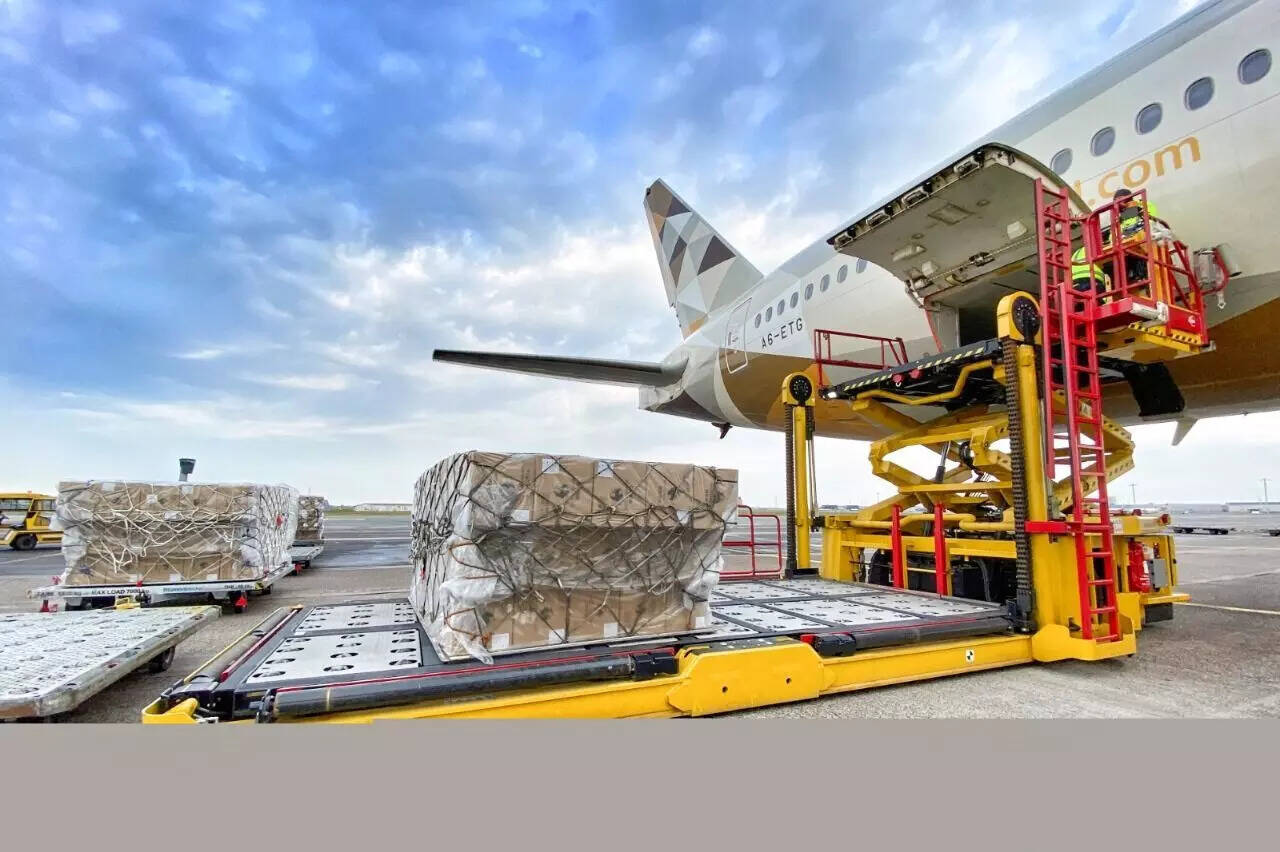
At that point, we aren't just talking about expensive gas. We are talking about a global economic seizure. Airlines would grounded. Shipping would stall. The "just-in-time" delivery system that brings us everything from iPhones to ibuprofen would shatter.
This isn't alarmism. It is a cold assessment of our dependencies. We have built a high-tech, digital civilization on top of a physical infrastructure that is breathtakingly fragile. We are a species that can land a rover on Mars, yet we can be humbled by a few sea mines in a twenty-mile-wide strip of water.
The Smallest Stakes
Back in Ohio, Elias finishes filling his truck. He winces at the total. Eighty-seven dollars.
He remembers when this same action cost forty-five. He isn't thinking about the Revolutionary Guard or the intricacies of the nuclear deal. He is thinking about the fact that he has to bid ten percent higher on his next roofing job just to cover his fuel costs. He worries he’ll lose the job to someone more desperate.
The "growing concern" mentioned in news reports isn't an academic exercise. It is a quiet, heavy weight sitting on the shoulders of millions of people who have never been to the Middle East and couldn't find Tehran on a map.
The oil is the blood of the global economy, but it is the people who are being bled. We watch the horizon for signs of peace, not just because we value human life in distant lands, but because we know that until the fire over there is put out, we will keep paying for the smoke over here.
Elias hangs up the nozzle. He starts the engine. The needle moves to Full, but his bank account feels empty. He pulls out into traffic, one more soul caught in the wake of a tanker he will never see, in a war he didn't start, paying a price he can no longer afford.
The clicking of the pump has stopped, but the cost continues to climb.
Would you like me to analyze how specific local policy shifts could further impact these energy costs for small business owners like Elias?