The fog of war is a convenient excuse until the bullets hit a civilian. Right now, the Israeli military is staring down a PR and legal nightmare on its northern tip. They’re investigating whether their own soldiers opened fire on a civilian near the Lebanon border, and frankly, the details coming out are messy. It isn't just about one stray round. It’s about the hair-trigger environment that defines the Blue Line in 2026. If you’ve followed the tensions between the IDF and Hezbollah, you know the margin for error is basically zero. This time, that margin might have cost a life, and the military’s "initial inquiry" is already facing heavy skepticism.
What Happened on the Border
The facts we have are jagged. An individual was shot near the fence—a place where nobody should be, but where people often end up because of poor markings or simple desperation. The Israel Defense Forces (IDF) confirmed they are looking into the "possibility" that their troops misidentified the person as a threat. In border speak, "misidentified" is often code for a tragic, split-second failure in judgment.
Soldiers in these sectors are trained to look for infiltrators. They're taught that any movement could be a scout for a specialized unit. When a figure moves in the brush, the pressure to act before the "enemy" acts is immense. But that pressure doesn't give anyone a free pass to ignore Rules of Engagement (ROE). We've seen this play out before in Gaza and the West Bank. The northern front, however, is a different beast. A single mistake there doesn't just end a life; it can spark a regional exchange of rockets that displaces thousands.
Why the Blue Line Is a Powder Keg
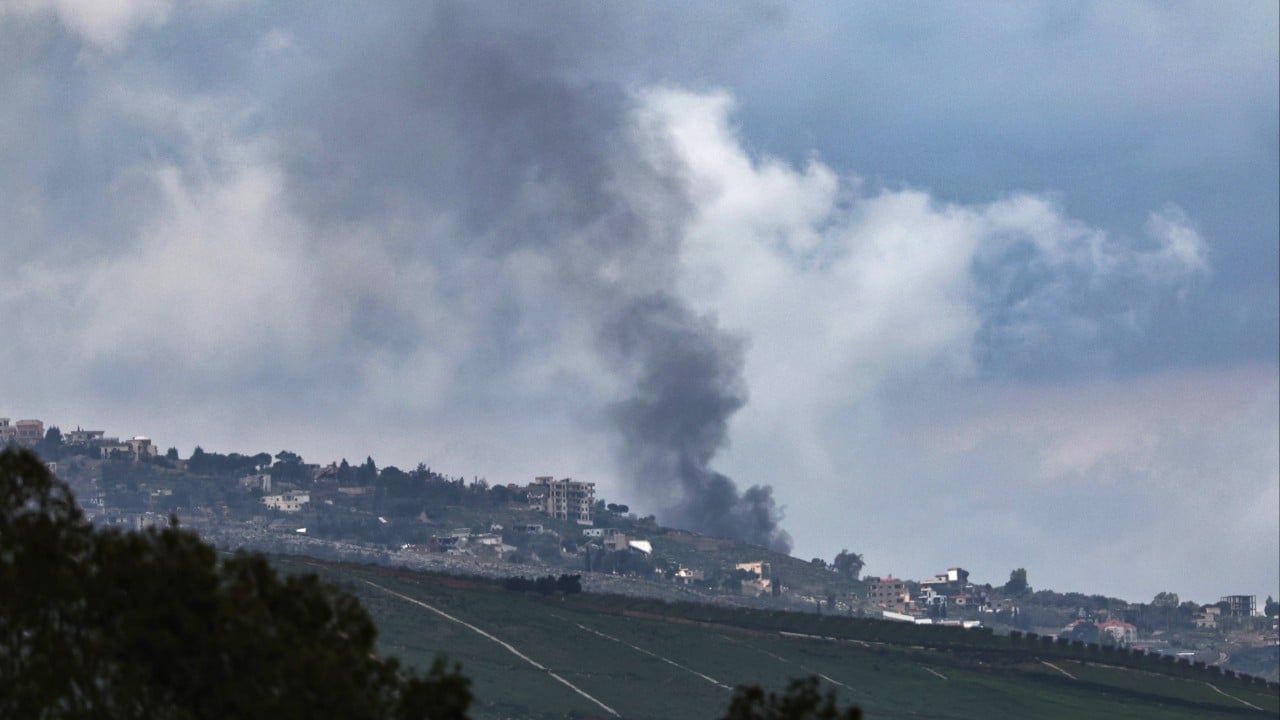
The border between Israel and Lebanon isn't a wall in every spot. It’s a series of technical fences, sensors, and the UN-mandated "Blue Line." It’s rugged terrain. Boulders, thickets, and steep Ravines make visibility a nightmare.
- Heightened Alert Levels: Since the flare-ups began escalating, the IDF has moved more reservists to the north. These aren't always the seasoned elite units.
- Hezbollah Tactics: The group often sends "civilians" to gather intel. This creates a "cry wolf" scenario where soldiers stop seeing people and start seeing targets.
- The Buffer Zone: There’s a de facto "no-go" area. If you cross a certain imaginary line, the SOP often dictates warning shots first, then lethal force.
Reports indicate the victim in this specific case might not have been armed. If that’s true, the investigation has to pivot from "what happened" to "who gave the order." The IDF’s Military Police Criminal Investigative Division usually handles these, but let’s be real—internal probes in the middle of a conflict rarely satisfy the international community or the families involved.
The Problem With Internal Investigations
I’ve seen this cycle repeat. A shooting happens. The military expresses regret. An investigation is launched. Months later, a report says the soldiers followed protocol given the "perceived threat."
There’s a massive gap between "legal according to military law" and "right." When a soldier pulls the trigger because they’re scared or tired, it’s a failure of command. The IDF is currently stretched thin. They’re fighting on multiple fronts, and the mental fatigue is real. But fatigue isn't a legal defense for shooting an unarmed person.
The Lebanese government and UNIFIL (the UN peacekeeping force) are watching this closely. UNIFIL has its own sensors and observers. If their data contradicts the IDF's version of events, the diplomatic fallout will be swift. We're talking about a border where a single spark can lead to a full-scale invasion.
Breaking Down the Rules of Engagement
People think ROE is a simple "don't fire unless fired upon" rule. It’s way more complex. In the north, it usually involves a tiered response.
- Shout: Verbal warnings in Hebrew and Arabic.
- Signal: Using flares or non-lethal deterrents.
- Warning Shots: Firing into the air or the ground near the feet.
- Lethal Force: Only if there's an immediate, life-threatening danger.
If the civilian was shot without these steps being checked off, the soldiers involved could face "negligent manslaughter" charges. But in a war zone, proving "immediate danger" is subjective. A cell phone can look like a detonator from 200 meters away through a grainy thermal scope. That’s the reality these kids—and most of them are kids—face in the trenches.
The Geopolitical Stakes
This isn't happening in a vacuum. Lebanon is a failing state. Hezbollah is looking for any excuse to justify its "resistance" narrative. If the IDF killed a Lebanese civilian on Lebanese soil, Hezbollah gets a "free" shot at a retaliation. They’ve done it before. They’ll do it again.
Israel knows this. That’s why the investigation was announced so quickly. It’s an attempt at "damage control" before the funeral becomes a rally. The military wants to show it’s a moral army that holds its own accountable. Whether that's true or just a tactical move to prevent a Hezbollah rocket barrage is a matter of perspective.
What Needs to Change Immediately
The IDF needs better non-lethal tech at the fence. Using live rounds as a first or second resort is an archaic way to manage a border in 2026. Drones with speakers, high-intensity lights, and even acoustic devices can stop a civilian long before a sniper has to make a choice.
If you're following this, don't just look at the headlines. Look at the coordinates. Was the person on the Israeli side or the Lebanese side? That single detail changes the legality of the entire event. If the IDF crossed the line to shoot, or if the bullet crossed the line into Lebanon, it's a violation of international sovereignty.
Keep an eye on the UNIFIL reports over the next 48 hours. They usually have the "raw" data that hasn't been scrubbed by a military spokesperson. If there's a discrepancy, that's where the real story lies. The military has a habit of investigating itself and finding no wrongdoing, but the world is getting better at filming the truth from the other side of the fence. Stay skeptical. Demand the footage from the border sensors. That’s the only way we get past the "he said, she said" of modern warfare.
Check the official IDF social media channels and the Lebanese National News Agency for conflicting timelines. If the times don't match, someone is hiding something. Don't wait for the official report in six months; the truth is usually visible in the first 24 hours if you know where to look.