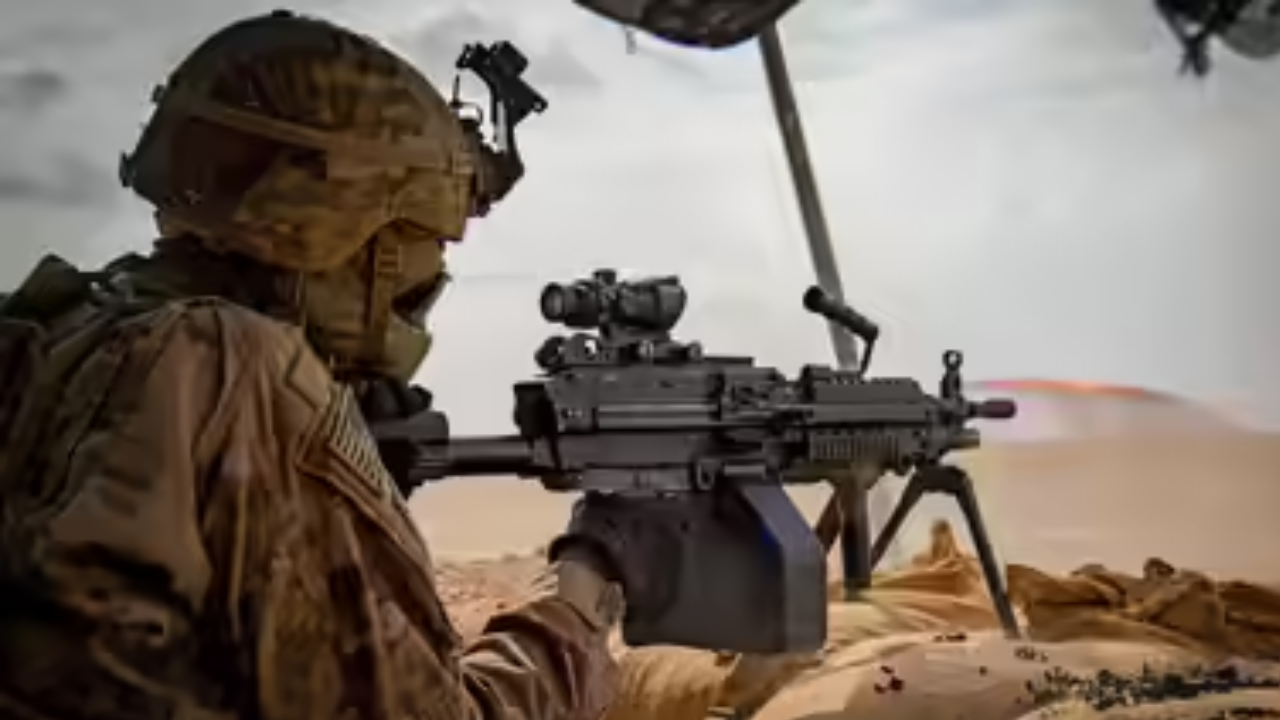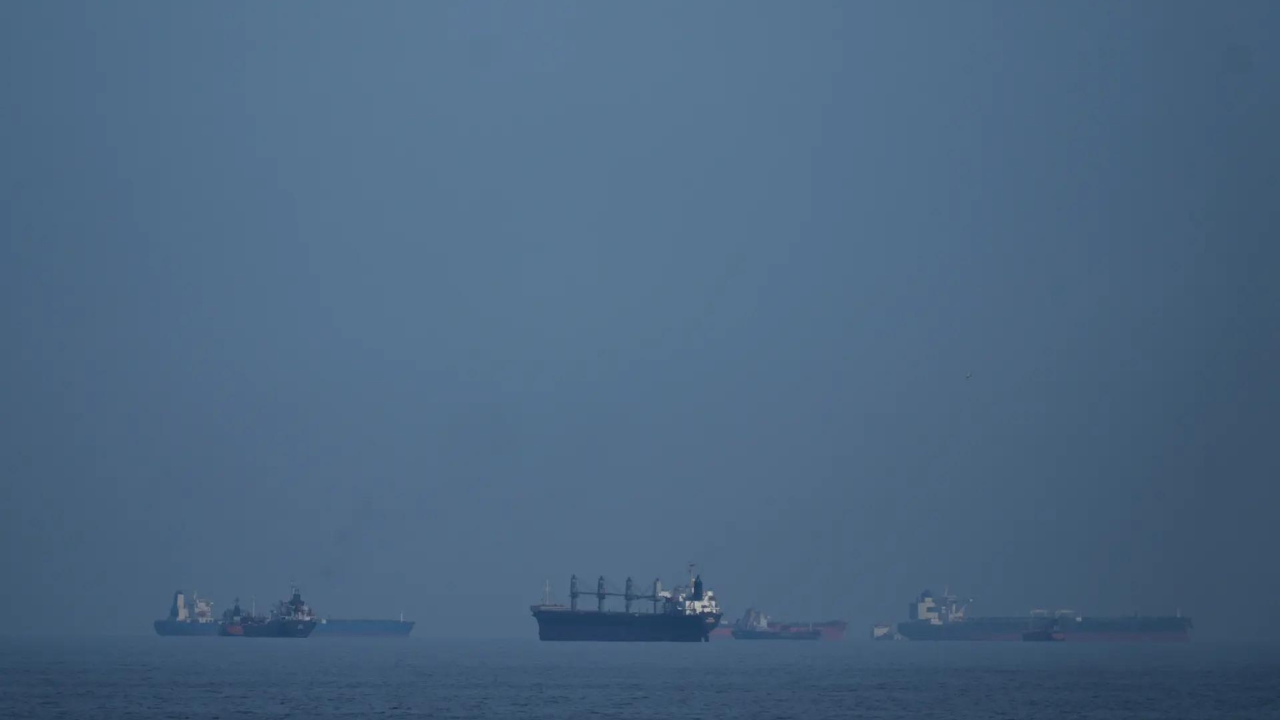
The authorization for the United States to utilize British Sovereign Base Areas (SBAs) for kinetic operations against Iranian missile infrastructure represents a fundamental shift in the Transatlantic security calculus. This is not merely a diplomatic gesture; it is a recalibration of the "Double Key" logic that has governed UK-US basing agreements since the Cold War. By integrating Akrotiri and potentially Diego Garcia into a live strike matrix targeting the Strait of Hormuz’s peripheral threats, the two nations are addressing a critical bottleneck in maritime logistics: the vulnerability of the Suez-to-Indo-Pacific transit corridor.
Understanding the implications of this authorization requires a granular breakdown of the geographical advantages, the legal friction points of the 1960 Treaty of Establishment, and the technical escalation ladder inherent in modern anti-ship ballistic missile (ASBM) suppression.
The Strategic Geometry of Akrotiri and the Eastern Mediterranean
The primary utility of RAF Akrotiri in Cyprus lies in its role as a "static aircraft carrier" that exists outside the immediate reach of short-range Iranian proxies while remaining within the operational radius of long-range strike and signals intelligence (SIGINT) platforms. The geography dictates a three-stage engagement cycle:
- Detection and Fixation: Intelligence, Surveillance, and Reconnaissance (ISR) assets departing from Cyprus can monitor the Levant and the Arabian Peninsula, providing real-time telemetry on mobile Transporter Erector Launchers (TELs).
- The Aerial Refueling Bridge: To reach missile sites near the Strait of Hormuz from the Mediterranean, strike packages require multiple refueling "plugs." British authorization simplifies the logistical chain by allowing US tankers to operate out of RAF bases, creating a continuous fuel corridor that bypasses the need for more politically sensitive basing in the Gulf.
- Kinetic Execution: The use of British soil provides a layer of political insulation and shared liability, effectively signaling a unified Western front that complicates Iranian counter-strike targeting.
The Legal Framework of Sovereign Base Areas
The authorization hinges on the 1960 Treaty of Establishment, which granted the UK sovereignty over two areas in Cyprus. However, this sovereignty is not absolute in a vacuum; it is governed by an exchange of notes regarding the "use of the bases for military purposes."
Historically, the UK has been cautious about allowing the US to use these bases for missions that do not align with British foreign policy or that might invite retaliation against the 10,000 British personnel and dependents on the island. The current authorization suggests that the "Essential National Interest" threshold has been met. This shift is driven by the economic reality of the Strait of Hormuz, where a sustained disruption of shipping would increase global insurance premiums (War Risk Surcharges) by an estimated 200% to 500% within a 72-hour window.
The ASBM Suppression Cost Function
Targeting Iranian missile sites is an exercise in managing the "Cost-per-Kill" ratio. Iran’s strategy relies on "asymmetric saturation"—using relatively inexpensive, domestically produced missiles to force the expenditure of multimillion-dollar interceptors like the SM-6 or the Aster 30.
The British-authorized strikes aim to flip this economic script by moving from a Defensive Posture (intercepting missiles in flight) to an Offensive Proactive Posture (destroying the missiles on the ground).
- Fixed Site Neutralization: Hardened silos and storage facilities require bunker-busting munitions (e.g., GBU-28), which are typically delivered by heavy bombers or strike fighters that benefit from the long runways and heavy-lift maintenance infrastructure at Akrotiri.
- Mobile TEL Hunting: This requires "Persistence over Target." Aircraft must loiter for hours to catch a launcher as it moves from a concealed "mountain hole" to a launch position. British bases provide the necessary proximity to sustain these loiter times without exhausting the carrier-based air wings.
Escalation Dominance and the Risk of Horizontal Escalation
The decision to utilize British bases introduces a specific risk known as horizontal escalation. This occurs when an adversary, unable to respond effectively at the point of conflict (the Strait of Hormuz), strikes at a secondary location where the attacker is vulnerable.
For the UK, the vulnerability lies in its overseas territories and its diplomatic presence in the Middle East. The authorization must therefore be viewed through the lens of "Escalation Dominance." By involving the UK, the US is betting that Iran will perceive the risk of striking a British base as a trigger for a broader NATO-level response, thereby deterring a counter-strike on the bases themselves.
The second risk factor is the internal political stability of Cyprus. While the SBAs are sovereign British territory, the Republic of Cyprus often faces domestic pressure when these bases are used for regional conflicts. The current authorization likely included a quiet "de-confliction" agreement with Nicosia to ensure that local infrastructure (air traffic control, ports) remains cooperative during high-tempo operations.
Technical Constraints of Long-Range Strikes
Despite the strategic advantage, several technical bottlenecks remain. The primary constraint is the "Time-Sensitive Target" (TST) window. A missile launch can occur within minutes of a TEL reaching its firing point.
- Data Link Latency: Information must travel from a drone over Iran, through a satellite link to a combined air operations center (CAOC) in Qatar or Europe, and then to a cockpit at Akrotiri. Any delay in this "Kill Chain" renders the strike obsolete.
- Payload vs. Range: An F-15E Strike Eagle departing from Akrotiri must balance fuel weight against munition weight. To hit targets in the eastern Persian Gulf, these aircraft must fly "cleaner" (fewer bombs) or rely heavily on aerial refueling, which increases the number of vulnerable assets in the air at any given time.
Operational Synchronicity and the Strait of Hormuz
The Strait of Hormuz is a geographic choke point only 21 miles wide at its narrowest. Iranian missile sites located in the surrounding rugged terrain utilize the "Coastline Defense" doctrine, where land-based anti-ship missiles (ASCMs) and ballistic missiles create a "no-go" zone for large naval vessels.
The authorization to use British bases allows for a pincer-style ISR approach. While US Navy assets in the Arabian Sea provide a southern "look," assets from Cyprus and Diego Garcia provide northern and western "looks." This multi-vector surveillance makes it nearly impossible for Iranian forces to move equipment without being tracked by at least one sensor platform.
Intelligence Integration and the Five Eyes Advantage
A critical, often overlooked component of this authorization is the integration of the GCHQ signals intelligence facility at Ayios Nikolaos, located within the Eastern Sovereign Base Area. This facility is one of the most powerful listening posts in the world.
By tying the strike authorization to the physical bases, the US gains seamless access to the localized SIGINT collected by the British. This allows strike packages to identify not just where a missile launcher is, but the specific radio frequencies and command-and-control (C2) nodes directing it. This "electronic preparation of the battlefield" is what separates a blind strike from a surgical suppression of enemy air defenses (SEAD).
Structural Bottlenecks in the Logistics Chain
The effectiveness of this new strike authorization is ultimately limited by the throughput of the bases themselves. Akrotiri is a high-traffic hub.
- Ordnance Resupply: High-intensity strike operations consume precision-guided munitions (PGMs) at a rate that can outpace sea-lift resupply. The UK must manage the influx of US munitions through its ports without disrupting civilian maritime traffic.
- Maintenance Cycles: The salt-heavy air of the Mediterranean accelerates airframe corrosion. Sustaining a high "Sortie Generation Rate" (SGR) from Cyprus requires a massive footprint of specialized maintenance contractors and spare parts.
- Personnel Fatigue: Long-duration missions from the Mediterranean to the Gulf (often exceeding 6-8 hours) place extreme stress on aircrews, necessitating a larger rotation of pilots than a carrier-based operation would require.
The authorization signals that these logistical hurdles have been accounted for and that the infrastructure is being "hardened" for sustained use rather than a one-off retaliatory strike.
The strategic play here is to establish a "New Normal" of integrated US-UK strike capability that bypasses the political volatility of Middle Eastern host nations. By anchoring the operation in Sovereign Base Areas, the US secures a reliable, long-term platform for regional power projection that is legally insulated and technically superior to carrier-only options. Future movements of heavy bombers to the region will serve as the primary indicator of when this authorization transitions from a diplomatic deterrent to an active operational phase.