The shift from active combat operations to a "winding down" phase in a high-intensity conflict like the Iran War is not a singular event but a complex transition of kinetic energy into static posture. To understand the Trump administration's proposal to reduce military operations, one must analyze the trade-offs between tactical dominance and long-term fiscal sustainability. This transition relies on three specific operational pillars: the reduction of sortie frequency, the transition from offensive maneuvers to defensive containment, and the handover of local security architectures to regional proxies or stabilized local governments.
The Calculus of Kinetic Friction
The primary driver for winding down operations is the diminishing marginal return on kinetic strikes. In the initial phases of conflict, high-value targets—command and control nodes, integrated air defense systems (IADS), and primary logistics hubs—provide high strategic yields. Once these assets are neutralized, the cost-per-kill ratio shifts unfavorably. Maintaining a carrier strike group (CSG) or a multi-wing deployment of fifth-generation fighters requires a massive logistical tail. The fuel, maintenance man-hours, and ordnance replenishment costs eventually outpace the strategic value of hitting secondary or tertiary targets.
The "winding down" phase seeks to freeze the conflict at a point where the adversary’s offensive capabilities are suppressed, but before the occupying or intervening force enters a "forever war" of attrition against decentralized insurgent elements. This requires a precise definition of "mission success" that moves away from total surrender toward functional neutralization.
Structural Constraints of Disengagement
A rapid withdrawal creates a power vacuum that often necessitates a re-entry of forces within 12 to 24 months. To prevent this, the administration’s strategy must navigate the Trilemma of Disengagement, where a state can only optimize two of the following three variables at any given time:
- Speed of Withdrawal: How quickly boots on the ground are reduced.
- Stability of the Target Region: The ability of the local government to maintain order.
- Security of National Interests: The prevention of rival state actors from filling the void.
The current consideration for winding down indicates a pivot toward prioritizing speed and fiscal relief, likely accepting a higher degree of regional instability in exchange for reduced domestic political and economic pressure. This creates a bottleneck in intelligence gathering; as physical presence decreases, the reliance on signals intelligence (SIGINT) and satellite imagery (IMINT) must increase by an order of magnitude to compensate for the loss of human intelligence (HUMINT) networks.
The Cost Function of Persistent Presence
Maintaining a "steady state" of military operations in Iran involves non-linear costs. While the public often focuses on the price of individual missiles, the true economic weight lies in the Readiness Tax. Every airframe used in the Iranian theater accelerates the depletion of its total flight hour lifespan. This forces the Department of Defense to move forward-year procurement funds into current-year "Operations and Maintenance" (O&M) accounts, effectively hollowing out the future force to pay for current operations.
Deployment Attrition Variables
- Airframe Fatigue: F-35 and F-22 platforms require extensive depot-level maintenance after high-tempo operations in sandy or saline environments.
- Personnel Burnout: Continuous rotation cycles degrade the retention of high-skill operators, such as specialized technicians and veteran pilots.
- Opportunity Cost: Resources tethered to the Persian Gulf are unavailable for the Indo-Pacific theater, where peer-competitor deterrence is the long-term priority.
The decision to wind down is a recognition that the "Persian Gulf Trap"—the tendency for US forces to become a permanent fixture in Middle Eastern security—is an unsustainable allocation of capital in a multi-polar world.
Establishing the Defensive Perimeter
As offensive operations scale back, the military posture shifts to Over-the-Horizon (OTH) Counterterrorism. This strategy replaces large-scale troop formations with long-range strike capabilities and rapid-response special operations forces based in neighboring allied nations. The efficacy of OTH is dependent on the "kill chain" latency—the time elapsed between identifying a threat and delivering a kinetic effect.
Without local bases, this latency increases. A drone launched from a regional hub may take hours to reach a target in central Iran, whereas a drone launched from an intra-theater base could respond in minutes. The administration’s gamble is that the Iranian military’s internal capacity is sufficiently degraded to the point where this increased latency does not pose a systemic risk to US interests.
The Proxy Handover Mechanism
Disengagement is rarely a vacuum; it is a transition of responsibility. The "winding down" suggests an increased reliance on regional partners (e.g., the GCC states) to manage the day-to-day containment of Iranian influence. However, this creates a Principal-Agent Problem. The US (the principal) wants a stable, low-cost status quo. The regional allies (the agents) may have more aggressive agendas, potentially using US-provided hardware to settle local scores, thereby dragging the US back into the conflict.
The structural prose of the military's drawdown plan must include clear "tripwires"—specific Iranian actions that would trigger an immediate return to offensive operations. Without these clearly defined red lines, the winding down process will be viewed by the Iranian leadership as a sign of exhaustion rather than a strategic choice, potentially emboldening the remaining IRGC elements to test the new defensive perimeter.
Economic Normalization and Sanctions Leverage
Military de-escalation is often a precursor to, or a component of, economic warfare. By reducing the overt military threat, the US can potentially consolidate international support for continued "Maximum Pressure" sanctions. European and Asian partners are more likely to comply with trade restrictions if they believe the risk of a full-scale regional war—which would spike global oil prices and disrupt shipping lanes—is receding.
The "Wind Down" is therefore a tool of economic calibration. It lowers the "War Premium" on Brent Crude, providing relief to the global economy, while maintaining the financial stranglehold on the Iranian state's ability to fund its proxy networks in Lebanon, Yemen, and Iraq.
Transitioning to a Containment Model
The final architecture of a post-war Iranian strategy will likely mirror the "Cold War" containment model rather than the "Nation Building" model seen in Iraq or Afghanistan. This involves:
- Hardened Infrastructure: Reinforcing regional bases with advanced missile defense systems (THAAD and Patriot batteries) to negate Iran's remaining ballistic missile capabilities.
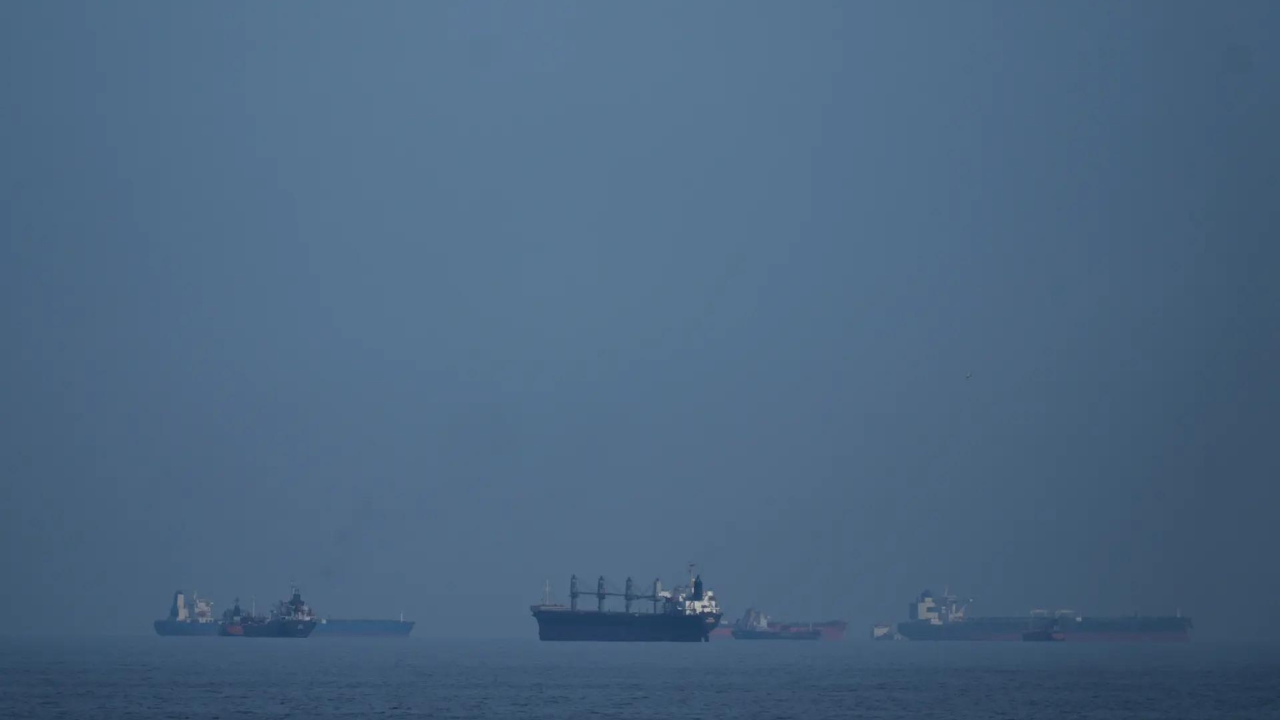
- Maritime Interdiction: Shifting from land-based operations to naval patrols focused on stopping the flow of illicit weapons and oil.
- Cyber Offensive Parity: Investing in non-kinetic strike capabilities that can disable Iranian infrastructure without the political fallout of a physical bombing campaign.
The risk of this model is "slow-burn escalation," where the adversary uses grey-zone tactics (cyberattacks, maritime harassment, or proxy strikes) that fall just below the threshold of a major military response. If the US winds down its presence too far, it loses the "escalation dominance" required to deter these sub-conventional threats.
The strategic play is to move from a posture of active intervention to one of punitive deterrence. This requires a smaller, more lethal footprint that emphasizes quality over quantity. The administration must ensure that the reduction in forces is accompanied by a dramatic increase in the transparency of its "red lines." If the adversary perceives the disengagement as a retreat born of weakness, the cost of re-establishing deterrence will be significantly higher than the cost of simply remaining in the theater. The focus must remain on maintaining the capability for a "surge" response, ensuring that the infrastructure for rapid re-deployment remains warm even as the active combat units depart.