Volodymyr Zelenskyy is playing a high-stakes game of diplomatic musical chairs, and the music is about to stop. The narrative coming out of Kyiv—that Ukraine is in "active contact" with Middle Eastern nations for drone protection—is a masterclass in optics over substance. It sounds proactive. It sounds like a diversifying supply chain. In reality, it is a desperate pivot toward a region that has zero interest in burning its bridges with Moscow just to save a European neighbor’s power grid.
The mainstream press swallows the "global coalition" line without chewing. They see a headline about Zelenskyy talking to Riyadh or Abu Dhabi and assume a shipment of interceptors is a signature away. I have spent years analyzing the defense procurement cycles of the Gulf States. These are not charitable organizations. They are the most pragmatic, cold-blooded actors on the global stage. If you think they are going to hand over proprietary electronic warfare (EW) suites or kinetic interceptors to a country currently being used as a testing ground for every Russian and Iranian munition in existence, you haven't been paying attention.
The Neutrality Trap
The "lazy consensus" suggests that because the Middle East has money and drones, they are the natural partners for Ukraine. This ignores the "OPEC+" reality. Russia is not just a neighbor to the Middle East; it is a vital partner in price-fixing the world's most valuable commodity.
Middle Eastern powers like the UAE and Saudi Arabia have spent the last decade perfecting a "multi-aligned" foreign policy. They buy French jets, American missiles, and Chinese drones while keeping the Kremlin on speed dial. They aren't looking to join a side; they are looking to be the venue where both sides come to trade.
When Zelenskyy speaks of "protection against drones," he is asking for technology that is often integrated with Western systems. Providing that to Ukraine doesn't just annoy Putin—it risks exposing the vulnerabilities of Gulf defenses to Russian SIGINT (Signals Intelligence).
The Iranian Shadow and the Export Fallacy
Let’s dismantle the technical premise. Most "People Also Ask" queries focus on why the Middle East hasn't shared their anti-Shahed secrets yet. The answer is brutal: They need them more than Ukraine does.
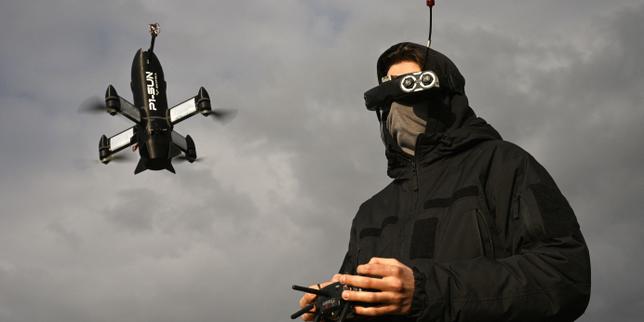
- The Shahed Evolution: The drones hitting Kyiv are the same lineage as those hitting Saudi oil facilities and Emirati tankers. The Gulf States are currently in a quiet arms race to solve the "low and slow" problem. They are consumers of this tech, not just producers.
- Reverse Engineering Fears: If a Middle Eastern state provides a high-end EW jammer to Ukraine and it gets captured by a Russian paratrooper unit, that tech goes straight to Tehran. Iran then tweaks its drone guidance systems, and suddenly, the original seller in the Middle East is defenseless.
- The Israel Factor: While not explicitly mentioned in every Zelenskyy presser, Israel is the elephant in the room. They have the best drone defense on the planet. They also have a de facto "deconfliction" agreement with Russia in Syria. Israel will not provide the Iron Dome or its successors because the risk of Russian retaliation in the Levant outweighs any moral victory in the Donbas.
The Procurement Pipe Dream
I've seen defense ministries blow billions on "urgent" requirements that never materialize because they ignored the integration tax. You cannot simply "plug and play" a Middle Eastern electronic warfare system into a Soviet-era grid reinforced by Frankensteined Western components.
Ukraine’s current air defense is a patchwork quilt of IRIS-T, Patriot, NASAMS, and old S-300s. Adding a "Middle Eastern" layer adds a logistical nightmare of disparate frequencies and proprietary software. Unless these countries are sending full batteries with their own operators—which they won't—this is a PR exercise designed to pressure the West, not a tactical solution.
The Math of Attrition
Consider the economic disparity. A Shahed-136 costs roughly $20,000 to $50,000 to produce. A sophisticated interceptor from a Gulf-allied manufacturer can cost ten times that.
$$Cost_{Ratio} = \frac{Cost_{Interceptor}}{Cost_{Drone}}$$
When $Cost_{Ratio} > 10$, you aren't winning a war; you are bankrupting your future. The Middle East knows this. They are focusing on directed energy weapons and high-volume kinetic solutions. They aren't going to export their limited stocks of "silver bullets" to a conflict where the burn rate is measured in hundreds of rounds per week.
The Reality of "Contact"
When a politician says they are "in contact" with a region, it usually means their ambassadors had a very polite lunch where nothing was promised. In the world of arms dealing, "contact" is the stage where you realize the other person is just checking your price before they call your competitor.
The Middle East is watching Ukraine to see what works, not to make sure Ukraine wins. They are treating the Ukrainian theater as a free laboratory. They are collecting data on how Russian EW affects Western munitions. They are watching how the Shahed handles GPS jamming. Why would they pay for a seat at the table when they can watch the show for free and keep their hardware at home?
Stop Looking East, Start Looking Down
The obsession with finding a "Middle Eastern Shield" is a distraction from the uncomfortable truth: Ukraine needs to build its own.
The only way to defeat a mass-produced, low-cost drone threat is with an even lower-cost, mass-produced defensive net. This means:
- Acoustic Sensor Nets: Low-tech, high-volume microphones that track drone engine signatures.
- Mobile Fire Groups: Pickup trucks with thermal optics and heavy machine guns. It’s not "cutting-edge," but it’s the only thing that scales.
- Domestic EW: Ukraine has some of the best radio engineers in the world. They need silicon and raw components, not finished systems from Riyadh that come with diplomatic strings attached.
The Middle East isn't coming to save Kiev. They are busy hedging their bets, waiting to see who is left standing so they can sell them the oil to rebuild.
Stop asking when the "protection" is arriving. It isn't. The "contact" Zelenskyy mentions is a signal to Washington and Brussels: If you don't give us more, we'll have to look elsewhere. But "elsewhere" is a desert, and in the desert, everyone is looking out for their own mirage.
Dismantle the fantasy of the Middle Eastern savior. Ukraine is on its own, and the sooner the strategy reflects that isolation, the sooner they can build a defense that actually works.
Get the pickup trucks ready. The cavalry isn't coming from the East.